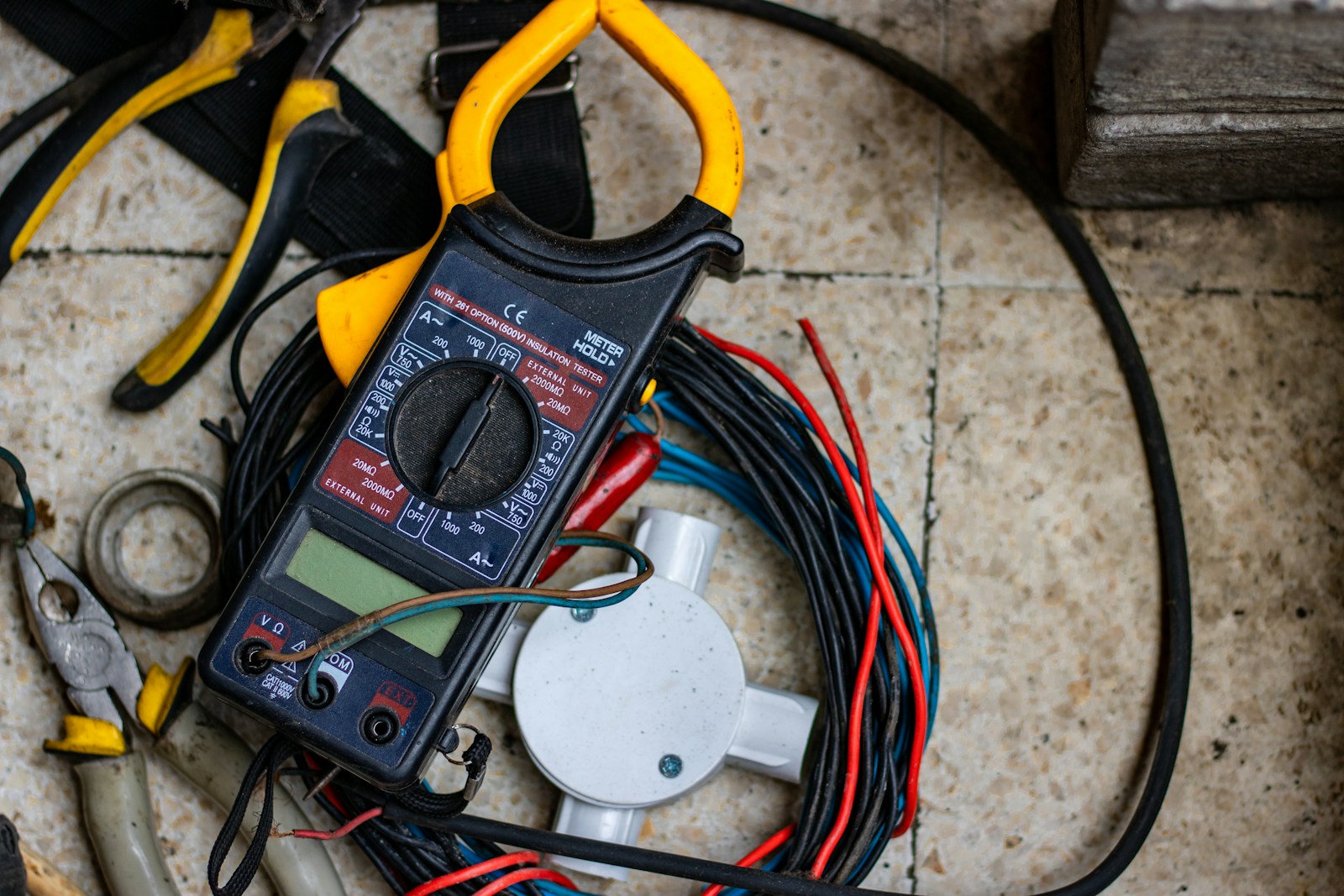
Electric heating wire is still one of the most efficient and flexible methods of converting electrical energy into heat that can be used in different applications. Out of the numerous power ratings that are supplied, 1.8kW heating wire is the one that gives you a perfect balance of heat—meaningful enough for the significant heating activities but at the same time not too much for both home and light industrial applications. This technical guide is extensive and will take you through the whole journey from the basics of 1.8kW heating wire, its specifications and material properties, through to its applications, installation requirements and safety considerations.
Understanding 1.8kW Heating Wire Fundamentals
What is Heating Wire?
Heating wire, which is also referred to as resistance wire or heating element wire, is an electrical conductor that has been specially developed for the purpose of generating heat during the passage of electric current. In contrast to common electrical wire that is designed for the least resistance and the most conductivity, heating wire is a product of engineering with very high resistance as one of its main properties; the latter converts electrical energy into thermal energy through resistive heating, the same principle that incandescent light bulbs operate on, though it is now directed towards heat production rather than illumination.
Applying Joule’s Law of Heating, the underlying principle of operation is: Heat produced (in watts) is equal to the square of the current multiplied by resistance (H = I²R). By selecting materials, determining cross-sectional area, and length, wire manufacturers are able to control resistance and thus create heating elements with predictable, reliable heat output.
Decoding the 1.8kW Rating
The 1.8kW designation indicates the heating wire’s power consumption and thermal output under rated operating conditions. Understanding what this specification means practically:
Power Consumption: The wire consumes 1,800 watts (1.8 kilowatts) of electrical power when operating at its designed voltage
Heat Generation: Under ideal conditions, the wire converts approximately 1,800 watts of electrical energy into thermal energy, making it suitable for medium-intensity heating applications
Voltage Relationship: Most 1.8kW heating wire is designed for either 120V or 220-240V operation, with 220-240V being more common internationally
Current Draw Calculation:
- At 120V: 1,800W ÷ 120V = 15 amperes
- At 220V: 1,800W ÷ 220V = 8.2 amperes
- At 240V: 1,800W ÷ 240V = 7.5 amperes
Resistance Values:
- At 120V: 120V ÷ 15A = 8 ohms
- At 220V: 220V ÷ 8.2A = 26.8 ohms
- At 240V: 240V ÷ 7.5A = 32 ohms
These calculations are essential for proper circuit design, breaker sizing, and wire gauge selection to ensure safe, efficient operation.
Power Density and Heat Distribution
The 1.8kW power rating doesn’t exist in isolation—how that power distributes across the wire’s surface area significantly affects performance and application suitability:
Surface Loading: The watts per square inch or square centimeter of heating element surface determines operating temperature and lifespan
Coil vs. Straight Wire: Coiled heating wire concentrates heat in smaller volumes, while straight wire spreads heat across greater areas
Element Design: Some applications require concentrated high temperatures (toaster elements), while others need gentle, distributed warmth (baseboard heaters)
Understanding these relationships helps match 1.8kW heating wire specifications to application requirements.
Heating Wire Materials and Alloy Compositions
Nickel-Chromium (Nichrome) Alloys
Nichrome, the trade name for nickel-chromium alloys, represents the gold standard for heating wire applications. The most common compositions include:
Nichrome 80 (Ni80Cr20):
- Composition: 80% nickel, 20% chromium
- Maximum operating temperature: 1,200°C (2,190°F)
- Resistivity: approximately 108 μΩ·cm
- Excellent oxidation resistance forming protective chromium oxide layer
- Superior ductility and formability
- Stable electrical properties across temperature ranges
- Higher cost than iron-chromium-aluminum alternatives
Nichrome 60 (Ni60Cr16):
- Composition: 60% nickel, 16% chromium, balance iron
- Maximum operating temperature: 1,100°C (2,010°F)
- Resistivity: approximately 109 μΩ·cm
- Good oxidation resistance
- More economical than Nichrome 80
- Widely used in medium-temperature applications
- Excellent for 1.8kW heating wire in household appliances
Advantages of Nichrome for 1.8kW Applications:
- Rapid heat-up due to low thermal mass
- Excellent resistance to corrosion in air
- Maintains consistent resistance across operating temperatures
- Easy to form into coils and complex shapes
- Long service life with proper design and application
- Non-magnetic properties beneficial in certain applications
Iron-Chromium-Aluminum (Kanthal) Alloys
Kanthal, another trade name that has become generic for FeCrAl alloys, offers compelling alternatives to nichrome:
Kanthal A-1:
- Composition: Iron base with 22% chromium, 5.8% aluminum
- Maximum operating temperature: 1,400°C (2,550°F)
- Resistivity: approximately 145 μΩ·cm
- Forms tenacious aluminum oxide protective layer
- Higher operating temperatures than nichrome
- More economical than nichrome alloys
- Slightly more brittle, requiring careful handling
Kanthal AF:
- Enhanced aluminum content for improved oxidation resistance
- Similar temperature capability to A-1
- Better resistance to sulfur-containing atmospheres
- Excellent for industrial furnace applications
Advantages for 1.8kW Heating Wire:
- Lower material cost than nickel-chromium alloys
- Higher resistivity allows shorter wire lengths for same resistance
- Excellent high-temperature oxidation resistance
- Stable performance over thousands of heating cycles
- Lighter weight than equivalent nichrome elements
Considerations:
- More brittle than nichrome, especially after heating cycles
- Requires more careful handling during installation
- Less suitable for applications requiring frequent bending
- Aluminum oxide layer can make welding/soldering more challenging
Copper-Nickel (Constantan) Alloys
Constantan (typically 55% copper, 45% nickel) occupies a specialized niche:
Properties:
- Lower resistivity than nichrome or Kanthal
- Maximum operating temperature: 400-500°C (750-930°F)
- Extremely stable temperature coefficient of resistance
- Excellent for precision applications requiring consistent output
Applications for 1.8kW Wire:
- Low-temperature heating applications
- Precision temperature control systems
- Shunt resistors and current measurement applications
- Applications where precise resistance values are critical
Material Selection Criteria for 1.8kW Applications
When selecting 1.8kW heating wire material:
Operating Temperature Requirements:
- Below 400°C: Constantan suitable and economical
- 400-1,000°C: Nichrome 60 excellent choice
- 1,000-1,200°C: Nichrome 80 recommended
- Above 1,200°C: Kanthal alloys necessary
Atmosphere Considerations:
- Air/oxygen: All standard alloys perform well
- Sulfur-containing: Kanthal AF preferred
- Reducing atmospheres: Special alloys or protective tubes required
- Vacuum: Vapor pressure characteristics become important
Cost Constraints:
- Lowest cost: Kanthal alloys
- Moderate cost: Nichrome 60
- Premium cost: Nichrome 80 and specialty alloys
Physical Requirements:
- Frequent bending/forming: Nichrome preferred for ductility
- Fixed installation: Kanthal’s brittleness less problematic
- Weight-sensitive: Kanthal lighter than nichrome
- Magnetic sensitivity: Nichrome non-magnetic advantage
Common Applications of 1.8kW Heating Wire
Household Appliances
1.8kW heating wire finds extensive use in residential settings:
Electric Kettles and Coffee Makers:
- Rapid water heating for beverages
- Typical heating time: 3-5 minutes for 1.5-2 liters
- Coiled heating elements maximize surface area
- Often use nichrome for corrosion resistance in water contact applications
- Temperature range: room temperature to 100°C (boiling point)
Hair Dryers and Styling Tools:
- Heating air streams for hair drying and styling
- Requires rapid heat-up time (under 30 seconds)
- Typically use lightweight nichrome wire
- Operating temperature: 150-230°C
- Must be paired with temperature controls and thermal cutoffs
Portable Space Heaters:
- Small room heating and zone temperature control
- Fan-forced heaters circulate air over heating elements
- Radiant heaters use glowing elements for direct heat transfer
- Coverage area: typically 100-200 square feet effectively
- 1.8kW provides approximately 6,140 BTU/hour heating capacity
Electric Hot Pots and Slow Cookers:
- Gentle, sustained cooking heat
- Often use multiple heating levels (low/medium/high)
- Temperature range: 70-200°C depending on setting
- Heating element may be embedded in base or coiled
- Must distribute heat evenly across cooking surface
Toasters and Toaster Ovens:
- High-temperature elements browning bread surfaces
- Often use nichrome wire wound on mica supports
- Operating temperature: 500-1,200°C for element surface
- Rapid heat-up critical for user experience
- Multiple elements for even heating from both sides
Industrial and Commercial Applications
Manufacturing Processes:
Plastic Thermoforming:
- Heating plastic sheets to forming temperatures
- Precise temperature control prevents material degradation
- 1.8kW heating wire elements provide localized heating
- Temperature range: 100-350°C depending on plastic type
- Even heat distribution critical for quality results
Small Parts Drying:
- Removing moisture from manufactured components
- Convection ovens using 1.8kW heating elements
- Temperature range: 50-150°C for most applications
- Energy-efficient for small-batch production
- Faster cycle times than ambient air drying
Laboratory Equipment:
Heating Mantles:
- Chemical flask heating for reactions and distillation
- 1.8kW provides adequate heat for 1-5 liter flask sizes
- Embedded wire in insulating fiber glass housing
- Temperature controllability essential for safety
- Often paired with magnetic stirring mechanisms
Incubators and Environmental Chambers:
- Maintaining precise temperatures for biological samples
- Multiple 1.8kW heating elements for larger chambers
- Thermostat control maintaining ±0.5°C accuracy
- Redundant heaters for safety in critical applications
- Must not produce electromagnetic interference affecting sensitive equipment
Sample Preparation Equipment:
- Digestion blocks for sample dissolution
- Hot plates for evaporation and heating
- Temperature ranges from 50-400°C
- Chemical resistance of materials critical
- Precise, repeatable temperature profiles required
HVAC and Building Systems
Supplemental Heating:
Duct Heaters:
- Heating air in ventilation systems
- 1.8kW elements suitable for small ducts or boost heating
- Operating temperature: element reaches 200-400°C
- Air temperature rise: 15-30°C typical
- Must include thermal protection against air flow loss
Baseboard Heating:
- Distributed heating along room perimeters
- Natural convection circulation
- Surface temperature: 60-80°C for safety
- Silent operation compared to forced-air systems
- 1.8kW provides approximately 100 square feet heating coverage
Radiant Floor Heating:
- Embedded heating cables in floor structures
- Lower power density over large areas
- Surface temperature: 25-35°C
- Excellent comfort and efficiency
- 1.8kW heating wire in longer lengths for larger areas
Automotive and Transportation
Engine Block Heaters:
- Pre-heating engines in cold climates
- Reduces engine wear from cold starts
- Operating temperature: 40-80°C engine block temperature
- Typically run overnight or for 2-4 hours before starting
- 1.8kW adequate for most passenger vehicle engines
Battery Warming Systems:
- Maintaining battery performance in cold weather
- Critical for electric vehicles in winter conditions
- Temperature range: 15-25°C battery pack temperature
- Automated control based on temperature sensors
- Extends battery life and performance
Defrosting Systems:
- Windshield and mirror defrosting
- Rapid clearing of ice and condensation
- Surface temperature: 40-60°C
- Must heat quickly for driver safety
- Transparent conductive coatings or embedded wire grids
Wire Gauge and Electrical Specifications
Selecting Appropriate Wire Gauge
For 1.8kW heating wire installations, proper supply wire sizing is critical:
120V Operation (15 Amperes):
- Minimum wire gauge: 14 AWG copper
- Recommended: 12 AWG for flexibility and safety margin
- Circuit breaker: 20 Amp minimum (125% of load = 18.75A)
- Voltage drop considerations on runs exceeding 50 feet
- GFCI protection recommended for wet locations
220-240V Operation (7.5-8.2 Amperes):
- Minimum wire gauge: 14 AWG copper adequate
- 12 AWG provides better performance on longer runs
- Circuit breaker: 15 Amp minimum (sufficient headroom)
- Two-pole breaker required for 240V circuits
- Neutral not always required depending on load type
Circuit Protection Requirements
National Electrical Code (NEC) and international equivalents require:
Continuous Load Calculations:
- Heating appliances considered continuous loads
- Circuit capacity must be 125% of actual load
- For 1.8kW at 120V: 15A × 1.25 = 18.75A minimum circuit capacity
- For 1.8kW at 240V: 7.5A × 1.25 = 9.4A minimum circuit capacity
Overcurrent Protection:
- Circuit breakers must protect wire ampacity
- Cannot exceed wire rating under any circumstances
- Time-delay breakers sometimes recommended for inductive loads
- Arc-fault protection increasingly required by code
Ground Fault Protection:
- GFCI required for heaters in bathrooms, kitchens, outdoors
- Personnel protection against electric shock
- 5 milliampere trip threshold for personnel protection
- Equipment ground fault protection for fire safety
Voltage Drop Considerations
Long wire runs to 1.8kW heating elements can experience significant voltage drop:
Calculating Voltage Drop:
- Formula: Vdrop = 2 × L × R × I
- L = one-way length in feet
- R = resistance per foot (from wire tables)
- I = current in amperes
- Factor of 2 accounts for both supply and return conductors
Example (100-foot run, 12 AWG, 15A):
- Resistance: 0.00162 ohms/foot for 12 AWG copper
- Voltage drop: 2 × 100 × 0.00162 × 15 = 4.86 volts
- Percentage: 4.86V ÷ 120V = 4.05%
- Result: Reduced heating performance (voltage drop should stay under 3%)
Solutions for Excessive Voltage Drop:
- Increase wire gauge to reduce resistance
- Relocate circuit breaker closer to load
- Use 240V instead of 120V (lower current, less drop)
- Install sub-panel near heavy loads
Installation Best Practices
Mounting and Support
Clearances:
- Minimum 2 inches from combustible materials for most applications
- Increase clearance for higher-temperature applications
- Ceramic or metal stand-offs for fixed installations
- Heat shields when close mounting unavoidable
Mechanical Support:
- Support 1.8kW heating wire every 12-18 inches to prevent sagging
- Use ceramic insulators rated for operating temperature
- Avoid sharp bends exceeding manufacturer’s minimum radius specifications
- Allow for thermal expansion (wire lengthens when heated)
- Secure connections to prevent vibration damage
Coil Spacing:
- Maintain consistent spacing between coil turns
- Prevent turns from touching (creates hot spots and failures)
- Typical spacing: 1-3 times wire diameter separation
- Use ceramic beads or spacers for maintaining geometry
Electrical Connections
Terminal Connections:
- Use connectors rated for operating temperature
- Mechanical connections (screws, crimps) often superior to solder
- Solder melts at temperatures common in heating applications
- Apply anti-oxidation compound to prevent high-resistance connections
- Torque specifications critical—too loose creates heat, too tight damages wire
Splicing Considerations:
- Avoid splices in heating element whenever possible
- If necessary, splice only in cool zones away from heated sections
- Use ceramic connector blocks for high-temperature splices
- Ensure splice resistance doesn’t create localized hot spots
- Document splice locations for future maintenance
Grounding:
- Always ground exposed metal housings and enclosures
- Ground wire must be same gauge as supply conductors
- Verify ground continuity with multimeter before energizing
- GFCI protection does not replace proper grounding
- Bond all metal parts together to eliminate potential differences
Safety Interlocks and Controls
Thermal Protection:
- Install thermal cutoffs (TCOs) rated for 10-20°C above normal operating temperature
- Manual reset types for user awareness of fault conditions
- Automatic reset types for unattended applications (with caution)
- Place thermal sensors in hottest area of assembly
- Consider redundant thermal protection for critical applications
Control Systems:
- Thermostats for temperature regulation
- Solid-state relays (SSRs) for long life and silent operation
- Mechanical contactors for high-current applications
- Proportional control for precise temperature maintenance
- PID controllers for critical temperature applications
Safety Considerations and Standards
Operational Safety
User Protection:
- Enclosures preventing accidental contact with hot surfaces
- Guards and grilles allowing air circulation while blocking fingers
- Warning labels indicating hot surfaces
- Automatic shut-off if tipped over (portable heaters)
- Cool-touch housings using thermal insulation
Fire Safety:
- Adequate clearances from all combustibles
- Thermal fuses preventing overheating
- Proper wire sizing preventing conductor overheating
- Regular inspection for damage, fraying, discoloration
- Never leave 1.8kW heaters unattended when operating
Electrical Safety:
- Proper grounding of all metal parts
- GFCI protection in wet locations
- Strain relief on power cords
- Qualified electrician installation for permanent fixtures
- Regular testing of safety devices
Compliance Standards
North America:
- UL (Underwriters Laboratories) listing
- CSA (Canadian Standards Association) certification
- NEC (National Electrical Code) compliance
- OSHA workplace safety requirements
International:
- CE marking for European Union
- IEC (International Electrotechnical Commission) standards
- Country-specific certifications
- RoHS compliance for environmental protection
Troubleshooting and Maintenance
Common Issues
No Heat / Element Not Working:
- Check power supply voltage with multimeter
- Measure element resistance (should match specifications within ±10%)
- Inspect for broken wire or loose connections
- Test thermal cutoff for continuity
- Verify thermostat operation if temperature-controlled
Insufficient Heat:
- Measure actual voltage at element (voltage drop possible)
- Check for partial wire break reducing effective heating surface
- Verify element specifications match application requirements
- Clean elements (buildup reduces heat transfer)
- Replace aged elements (resistance increases over time)
Uneven Heating:
- Inspect for coil turns touching (creates localized hot spots)
- Check for debris or blockages affecting airflow
- Verify even coil spacing throughout element
- Look for discoloration indicating overheating areas
- Ensure proper mounting and support
Short Element Life:
- Reduce operating temperature (lower voltage or increase surface area)
- Improve ventilation and cooling
- Eliminate moisture exposure causing rapid oxidation
- Check for excessive cycling causing thermal fatigue
- Verify proper alloy selection for application environment
Preventive Maintenance
Regular Inspections:
- Visual examination for discoloration, warping, damage
- Tighten electrical connections annually
- Clean accumulated dust and debris
- Test ground continuity
- Verify thermal protection devices function correctly
Documentation:
- Record installation date and specifications
- Log operating hours when possible
- Note any repairs or replacements
- Track performance trends
- Plan replacement based on expected lifespan
Key Takeaways
Understanding 1.8kW heating wire comprehensively enables optimal selection and application:
- 1.8kW power rating indicates 1,800 watts power consumption and heat generation, suitable for medium-intensity heating applications
- Material selection between nichrome and Kanthal depends on operating temperature, cost constraints, and physical requirements
- Common applications span household appliances, industrial equipment, HVAC systems, and automotive heating needs
- Proper electrical design requires appropriate wire gauging, circuit protection, and voltage drop calculations for safe operation
- Installation best practices include adequate clearances, mechanical support, proper connections, and safety interlocks
- Safety standards compliance essential through UL/CSA listing, NEC adherence, and appropriate protection devices
- Regular maintenance extends service life and ensures continued safe operation of heating systems
- Troubleshooting skills help identify and resolve common issues maintaining performance and reliability
Regardless of whether one deals with the creation of fresh heating applications or the upkeep of current systems, a comprehensive grasp of the technical details of 1.8kW heating wire along with its materials, installation requirements, and safety measures will make it possible for the successful and reliable heating performance for a long time.