Have you ever seen a remarkable picture and thought about the way the photographer got that magical, otherworldly light? The trick usually is in the skillful application of lens flare. Although most photographers consider lens flare as a flaw that should be avoided, knowing the proper photeeq lens flare techniques can turn your pictures from good to amazing. Besides, this complete manual will demonstrate precisely how to make the most out of this strong creative tool to increase the quality of your photography by adding depth, emotion, and a professional look.
Understanding Photeeq Lens Flare Technology
Lens flare is a phenomenon that occurs when certain angles of light sources that are very bright hit your camera lens, reflecting and scattering them as bright patches across your image. A major characteristic of photeeq lens flare is the fact that it can simulate this natural occurrence with high accuracy and control. Instead of the unpredictable, accidental flares that could spoil a picture, this method lets you design the exact mood and the atmosphere you desire.
Photeeq lens flare is powered by technology that imitates the light’s behavior with the lens elements, resulting in delicate glows and huge color bursts. It is like working with light as your color, and every flare becomes a brushstroke that contributes to the character of your pattern. The photographer of today uses the effect for various purposes, such as creating ideal situations in portraits, generating drama in landscapes, and putting life into street photography.
Why Professional Photographers Choose Photeeq Lens Flare
Creative professionals in photography, such as image-makers, realize that the main purpose of photography is to deliver an emotion rather than simply telling the truth. One of the ways to do this is through the strategic use of lens flare. Flare guides the viewer’s eye through the frame which is the first critical goal achieved by it. Next is the creation of natural focal points that serve the visual story. Finally, it provides the dimensional depth that 2D images require to be lively and immersive.
In addition to the narrative aspect, photogenic lens flares also act as time and place markers for the viewers instantly. For instance, a warm golden flare would indicate sunrise or sunset whereas cooler tones would depict midday light. This visual shorthand communicates atmosphere without requiring any words. Professional work very often includes some flares that are not apparent but still enhance the overall effect—think of it as the difference between seasoning that elevates a dish versus overpowering it.
Practical Techniques for Capturing Natural Lens Flare
Camera Settings That Matter Most
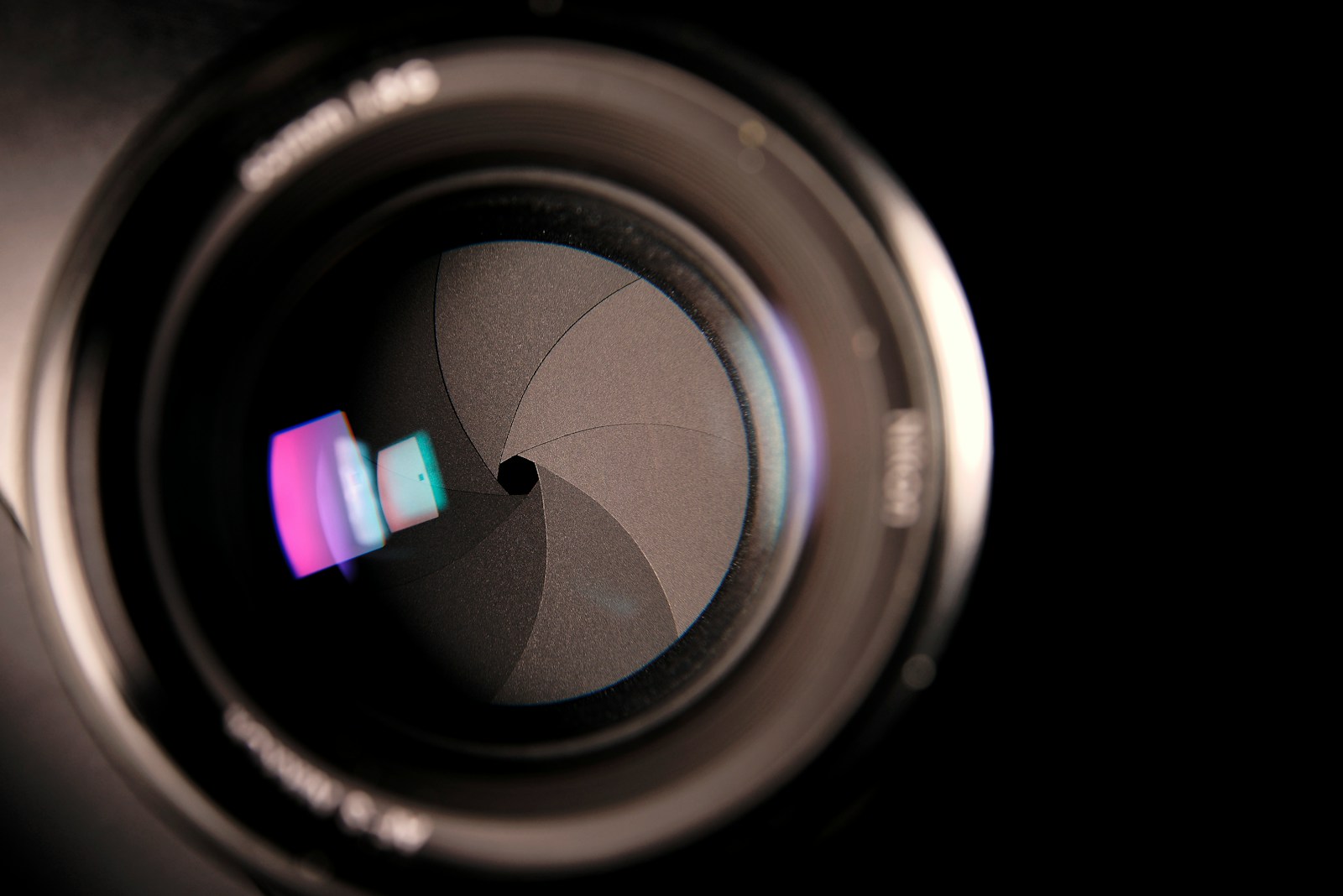
Initially, you should learn about the relationship of your camera to the light. To get pronounced, star-shaped flares, set your aperture between f/8 and f/16. On the other hand, if you go for the wider aperture like f/2.8, you will get softer and dreamier effects. Your shutter speed should be fast enough to catch the light without getting overexposed—this is usually around 1/250 or higher when shooting right into the sun.
ISO is just a supporting cast in this drama. Keep it at a low value (100-400) to preserve the quality of your image and avoid noise that might overshadow your chosen flare effects. Working in manual gives you the total control, although aperture priority mode is also good once you have learned the basics.
Best Times of Day for Lens Flare Photography
Golden hour still stands out as the time to take the most beautiful lens flare pictures. The hour that comes after sunrise and the one just before sunset give low-angle light that does not overpower with brightness, thus, creating wonderful effects. It is the right time of the day to put flares precisely where you want them in your composition.
However, do not dismiss blue hour or even shooting at noon. Backlit scenes no matter the time can yield fantastic results. The mix of urban settings and artificial lighting grants the photographer a nearly limitless scope of creativity after the sun goes down. Try out different light sources—street lights, headlights of cars, and neon signs all generate their special flare patterns.
Using Manual vs Automatic Modes
When dealing with photeeq lens flare manual focusing is very beneficial. Autofocus, for instance, hardly ever works well with bright lights and will keep searching without locking on. So, change to manual mode, focus on your subject, move the frame to include the light source and voilà! The main subject is in focus and the flare is creatively integrated.
Exposure compensation is your best friend in automatic modes. If you are taking photographs in the direction of bright lights, that is to say, bulb lights, then set your compensation between -1 and -2 stops to avoid the overexposed and burned-out areas in the picture. The bright lights confuse your camera’s meter and therefore you have to counter its suggestions.
Advanced Editing Strategies with Photeeq
Post-Processing Workflow Tips
When you work with raw files you get the greatest range of options to change lens flare effects. Begin by altering the whole exposure and contrast in your editing software. Next, apply graduated filters for the specific flare areas you want to bring out or tone down. If you have gone too far with your effect, the dehaze slider can help by cutting down on the flare, while adjustments to clarity will influence how sharp or soft your flare edges look.
Color grading is the process that takes the good lens flare to the next level and turns it into an outstanding one. Warm tones in highlights evoke a nostalgic feeling and give a film-like look. With split-toning, you can put complementary colors in shadows and highlights, which will make your flares stand out even more against the dark background. Above all, be adventurous with your color choices—sometimes the most unexpected combinations turn out to be the most powerful ones.
Combining Multiple Light Sources
Flare sources are being layered by advanced photographers for the sake of creating complex and dimensional effects. Make sure your location is such that the main and the secondary light sources make flare patterns that are crossing each other. This technique is very effective in cities where the sunlight reflected off the buildings blends with the direct sunlight.
However, always balance the various sources skillfully. A single flare should take the center stage and the rest should just support it. The situation of having too many flares competing with one another is that of non-artistic chaos. Just to put it in another way, it is like composing a piece of music—you have to have one prominent instrument with other ones playing in a supporting manner.
Troubleshooting Common Lens Flare Challenges
Flare issues are a part of photography even for skillful photographers. Usually, very bright pictures are an indication that you are too much in the light source’s direction. Adjust your position a little bit—sometimes it is enough to move just a few feet and it will all be different. Your hand can be used or a lens hood can be used to block the light partially but at the same time, it allows edge rays to create flare.
The problem of differing results from shot to shot often is caused by the fact that the settings are not locked. When you discover the right combination, keep it for that session. The light’s quality is dependent on factors like humidity and air quality and so, what worked yesterday may require some adjustment today.
Flares surrounded by purple or green colors suggest that chromatic aberration is taking place. Most post-processing software has got this area covered as it can automatically correct this during the editing phase. The quality of lens is another thing to consider—the more expensive glass will give fewer colored flares and result in cleaner flares than a cheap lens.
Taking Your Photography to the Next Level
Mastering photeeq lens flare is a skill that greatly enhances your creativity and lets you come up with awesome shots you wouldn’t have imagined otherwise. Begin with looking at the pictures of the photographers that you love and respect. Locate, to a certain extent, the areas they use flares, the intensity of the flares, and the moods they create. Then, apply your observations in the actual field and make them your own.
Practice intentionally rather than carelessly. Fix certain photo sessions for the trial of flare techniques. Repeat the same scene at different times of the day. Take the same subject with different apertures. This deliberate practice instills intuition in you much faster than casual shooting ever would.
Engage in photo communities where you could talk and show your flare experiments and get the criticism that is helpful. Other photographers quite often point out the chance or the problem that you’ve missed. This shared learning works faster in your favor as you get more and different kinds of techniques than what you would have found out quietly.
Always keep it in mind that the rules are made for the sake of being understood first and then broken. Master the technical basics and let your creative instincts lead you to the direction of your unique personal style. The finest pictures strike that balance between precision in technique and the artist’s vision—and photeeq lens flare is another powerful tool that will help you reach that balance.
Frequently Asked Questions
What equipment do I need to create photeeq lens flare effects?
Every camera that allows you to control the settings manually has the ability to produce nice lens flare—the cost of the equipment is not an issue. A digital single-lens reflex (DSLR) or mirrorless camera provides the largest extent of control, however, even high-end smartphones can take brilliant flare effects. Because a prime lens has fewer internal lens elements, it often produces cleaner flares than a zoom lens, although both lenses can be used successfully with the right technique.
Can lens flare work in portrait photography?
To a high degree! Use of very slight lens flare brings out a cozy and dreamy feeling in portraits, particularly in the case of golden hour shooting. Place your model in such a way that the sun is barely outside your frame, and dazzling edge flare will already be accompanying your subject. The method results in a shimmering and almost supernatural appearance which rightly emphasizes skin colors and at the same time keeps them looking real.
How do I prevent lens flare from ruining important shots?
When taking pictures in flare-prone areas, it is essential to bracket your exposures. First, take one picture showing the flare effect that you want, and then take another one with the light source blocked by your hand for a flare-free backup. By doing this, you will always have images that are useful even if your creative experiment does not turn out well.
Is photeeq lens flare just a trend or a lasting technique?
The phenomenon of lens flare has been present in photography from the very beginning of camera invention—it is light and optics interaction at its best. Certain styles may fade away, but the knowledge of controlling flare and then using it is still a timeless skill. The method is both modern and still based on optical physics.
What’s the difference between natural and added lens flare?
When the light hits your lens, it causes an optical phenomenon that is known as the natural lens flare. On the other hand, added flare is a term for effects that editing software creates during post-processing. Both techniques have their uses, however, the majority of photographers go for the genuine in-camera effects that are influenced by the real lighting condition of the scene and interact with it.
Can I use lens flare in commercial photography work?
Definitely, but the context plays a crucial role. Lifestyle and fashion photography usually utilize intentional lens flare for its emotional impact to a greater extent. On the other hand, corporate or product photography usually demands cleaner images without flare. Always keep your client’s brand aesthetic and the communication of the images in mind before taking any creative steps.
How do I know if I’m overdoing the lens flare effect?
When the flare surmounts the subject, it signifies that you have gone too far. Good lens flare is the one that together with the composition, but still, doesn’t overpower it. Let your colleagues see your work—if by any chance they bring up the flare first before even talking about your subject or image as a whole, then reduce it a little bit. The most perfect effects come out as deliberate, yet very soft.