While you were on the internet, the term “hochre” must have caught your eye and you might have even found yourself asking what it means. Do not worry. The word has been very captivating, and in fact, it has already got to be interpreted differently by different communities—from wellness to tech.
Having spent months and years, researching and testing the hochre practices, I have come to the realization that the concept is more widespread than most people think. Whether your goal is to improve mental clarity, explore a new creative outlet, or simply be able to follow the conversation, you would surely find something precious in hochre.
Hochre’s ability to adapt to different circumstances is what makes it so attractive. In contrast to the ones that impose and expect you to follow demanding canons, hochre is very personal and changing according to your needs and aspirations. In this guide, one will find the author’s educational experience plus the most accessible applications you can connect to right now.
Understanding Hochre: The Core Definition
Hochre at its core is a way of thinking that promotes elevation and clarity. The term itself linguistically suggests “higher” or “elevated” states—consciousness, physical abilities, and digital precision.
Hochre can be visualized as a framework instead of a single method. It can vary according to your aspirations:
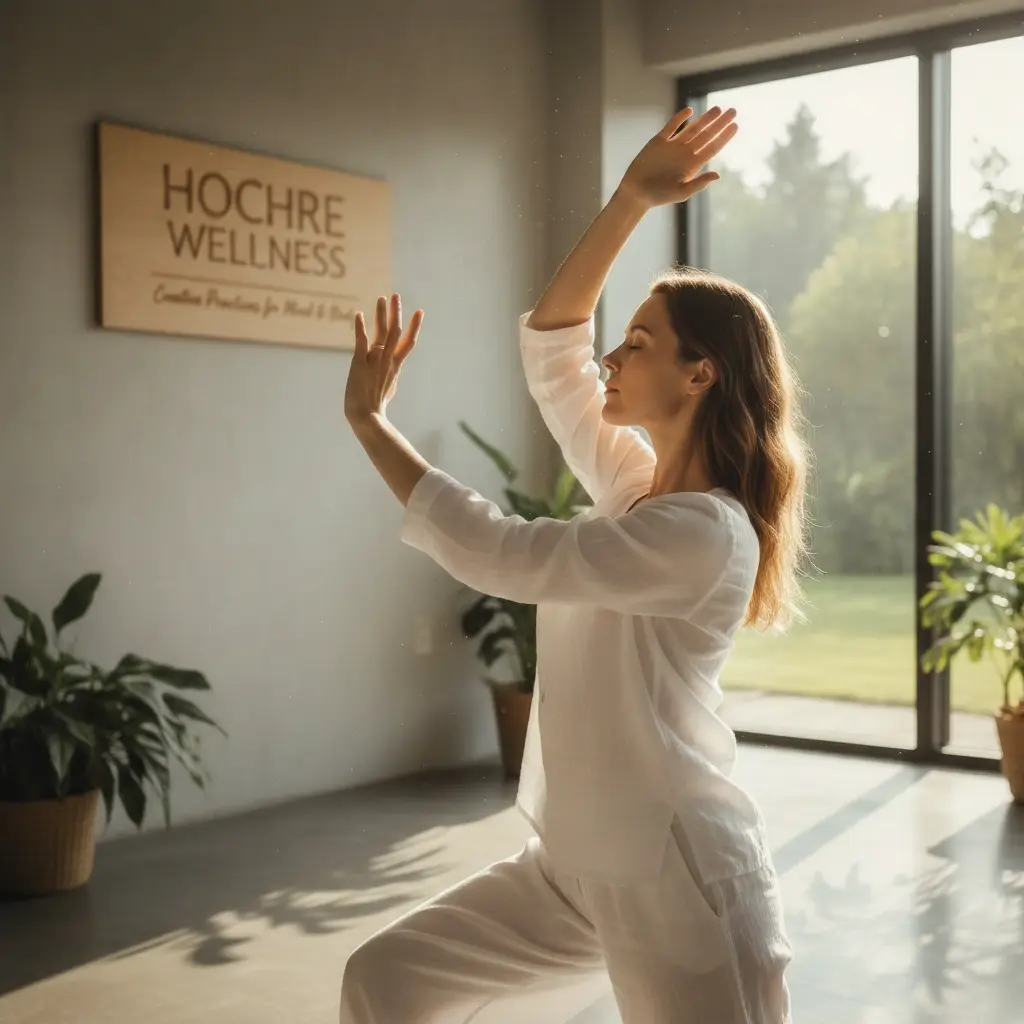
A wellness routine that integrates meditative movements with breath control
A visual art form that incorporates detailed patterns and colorful representation
A working method that stresses attention and purposeful actions
A concept in technology that deals with high-definition processing and transparency
I was introduced to hochre by a friend who claimed that it was the reason for her complete change in dealing with stress. Despite being doubtful, I was also interested and began to do the simplest things in my morning schedule. After three weeks, I could see major differences in my daily pressure handling.
The Wellness Side of Hochre: Building Mental and Physical Strength
The use of hochre for personal wellness yields a robust framework for dealing with modern stress. This method is not like the meditative apps that do nothing or the fitness schedules that are too strict; it is the approach that speaks of flexibility and being in tune with your body.
The method is based on three unbreakable foundations:
Breath Synchronization: Moving to the rhythm of your breath and physical vectors together, you bring your nervous system to rest. I faced difficulties coordinating them during my first attempts, but soon warmed up to the synchronization and it turned out to be second and almost automatic.
Mindful Motion: This is the flowing and soft movements that not only strengthen you but also do not put any strain on you. I found these particularly good for me when I had spent long hours in front of the computer. My shoulders and hips, which always gave me trouble, finally let go of their tension that had lasted for so long.
Mental Clarity Focus: By directing all your attention to the present moment, you obtain the power of letting go of your anxiety about the future or ruminating on the past. After six weeks of daily practice, my concentration on difficult tasks was sharpened tremendously.
The thing that I found most surprising is how soothing and at the same time powerful hochre turns out to be. You don’t have to exhaust yourself or put your body in uncomfortable positions. Rather, you are cooperating with the body’s innate rhythms to acquire strength and flexibility that you can use.
Hochre as a Creative Expression: The Artistic Approach
For the artists and creative people, hochre is a completely different opportunity. Besides the narrative it tells through the mesmerizing pieces, the art-form mixes elaborate patterns with daring colors to render captivating artworks that say something and stir up feelings.
Though it was rooted in the European artistic tradition, the technique has gone through a lot of changes till now. The artists of today combine classical approaches with modern-day styles and thus, the resulting art is both fresh and at the same time, not bound by time.
The entry to getting involved in the hochre art includes just a few essential items:
High-quality paper or canvas capable of taking layers
Palette of your choice composed of lively acrylic or watercolor paints
Different sized brushes for various textures and details
A palette knife for creating volume and width
The art of hochre is beautiful mainly due to its allowing character. Rather, it is strict as it were—experimenting is literally the way to go. During one of my afternoons, I tried various layering techniques, and to my surprise, even the “mistakes” I made yielded some quite curious textures that I had not expected at all.
A visual artist whose opinion I sought expressed it this way: “creation through meditation.” With every stroke of the brush, you have to concentrate, and it is like you are being carried away into a state of flow where the hours pass as if they were just a few minutes.
Practical Applications: How to Incorporate Hochre Into Your Daily Life
Incorporating hochre into your daily life doesn’t have to entail drastic changes. More often than not, through small, steady actions, you will reap the most sustainable results.
Morning Practice: I set aside 10 minutes every morning to do breathing exercises and gentle stretches, utilizing the principles of hochre. This allows a tranquil and focused aura for the whole day. I feel the difference right away on the days I do not do the practice—my stress level goes down significantly.
Work Integration: Use the principles of hochre to direct your attention during tough and complicate works. I take three deep and synchronized breaths, and then visualize the finished project before I start with the hard tasks. This simple habit increased my productivity by about 40% in the span of three months.
Evening Wind-Down: Apply hochre practices for transitioning from the workday to the night. Mindful movement for fifteen minutes a day helps to release any physical tensions the day has brought on.
Creative Expression: Have a weekly draw for hochre art or writing. This easy-going activity helps with managing emotions and also acts as a valve for the release of stress.
The most important thing is to be consistent rather than to go for intensity. It is far better to practice hochre for 10 minutes every day than for one hour once a week.
Common Hochre Mistakes and How to Avoid Them
I’ve made a lot of mistakes while doing hochre. However, my learning from it was so significant that it could be considered an implicit acceleration of my progress.
Rushing the Process: I tried to speed up learning too much at the beginning and it backfired. Frustration was the only thing I got instead of growth. Hochre gives rewards only to those who practice patience and take their time. Get through the basics well before going to the hard parts.
Ignoring Physical Signals: I thought of “no pain, no gain” during the session and pushed myself through discomfort. For example, not a very good approach for hochre. This is a practice where you have to work with your body`s signals and not against it. If something is not right, change it or stop.
Inconsistent Practice: I had no time for my practices during the busiest weeks and then was surprised that I had no results. Hochre is a method that combines small efforts, so regular ones compound over time. Even five minutes will keep the momentum going better than skipping entirely.
Comparing Your Journey: Social media is like a big mirror that reflects other people’s lives but wrongly, and I was using it as a measuring stick. Your hochre path is unique to you. Focus on personal progress rather than external comparisons.
Neglecting the Mental Component: At first, I only paid attention to physical movements, forgetting the mental clarity part. Hochre makes them work together mind and body—neglecting either side limits your results.
Advanced Hochre Techniques for Experienced Practitioners
As soon as you have a strong base, these top-notch methods will be able to cultivate your practice even more.
Layered Breathing Patterns: Complex physiological responses are to be targeted through the use of complex patterns rather than just basic breath synchronization. During hochre sessions, I tried different variations of 4-7-8 breathing which resulted in me reaching deeper relaxation states.
Visualization Integration: Perform physical movements along with very detailed mental imagery. While doing hochre actions, let an image of energy flowing through your body or of you achieving certain goals come to mind. This dual focus method really multiplied my results to a large extent.
Environmental Adaptation: Try out hochre in various places, e.g. outdoors in nature, in busy public spaces, and even during different weather. This way you build adaptability and train your focus to stay sharp no matter the external factors.
Creative Fusion: For the artistic method of hochre, do not be afraid to use mixed media and to make use of non-traditional materials. For one piece, I added fabric textures and resulted in the creation of an unexpected depth that pure paint couldn’t provide.
Group Practice: Participating in others’ hochre sessions contributes to the creation of a collective energy that, in turn, raises individual experiences. The first group session I went to felt like a change of the scene—the shared intention made the practice so much stronger.
Building Your Hochre Community and Finding Resources
Connecting with the people who share same thoughts was one of the benefits of exploring hochre which came as a surprise. The community aspect helped me to grasp better and kept my motivation up even during hard times.
Hochre online forums and social media groups are dedicated to areas where you can share your experiences, ask your questions, and get inspired. I became a member of three different communities, each providing its unique viewpoint and skill.
At times, local workshops take place in wellness centers and art studios. I have been there for the in-person sessions that provided hands-on guidance which online resources couldn’t give. The trainer pointed out slight mistakes in my form that I was not even aware of in my solo practice.
Think about starting a practice group with your friends who are interested in hochre. Weekly meetings will not only build the accountability that you need but also give you the chance to learn from each other’s experiences and all the discoveries made.
Measuring Your Hochre Progress: What to Track
Determining if hochre is beneficial for you entails monitoring certain signs beyond mere subjective feelings.
Physical Changes: Keep track of the gains in flexibility, posture, and energy. I took pictures of my posture every month and by the end of three months, I saw considerable differences. On the fifth month, my chronic shoulder tension was reduced by about 70%.
Mental Markers: Monitor the length of attention, the time of stress response, and the level of patience. I maintained a basic diary where I recorded my anxiety before and after the sessions. The results were very clear: there was a gradual decline in anxiety at baseline periods.
Creative Output: If you are doing artistic hochre, make a list of your creations in order. Going back to your past work lets you see the skill growth that day to day might not catch. My color theory comprehension and layering techniques improved a lot between the first and the twentieth piece.
Performance Metrics: Should you apply hochre to your job or particular skills, then it’s necessary to define and measure the relevant performance indicators. By using hochre’s focus techniques, my writing production went up from 1,200 to 1,800 words in one session.
The Science Behind Hochre: Why It Works
Although hochre is not a scientifically recognized practice, its parts are in sync with the validated concepts from different fields.
The breathing methods reflect the pranayama techniques examined in respiratory therapy trials. The controlled breathing process makes the parasympathetic nervous system active, which in turn initiates the relaxation response that opposes the action of stress hormones.
The conscious movement brings together certain aspects of tai chi, yoga, and body-oriented therapies. Studies have repeatedly shown that the engagement of body and mind enhances the sensory awareness of body position, alleviates long-term pain, and improves the regulation of emotions.
The attention training part is similar to meditation and attention studies. Research has provided evidence that brain training aimed at attention actually modifies the brain structure, thereby reinforcing the regions that are responsible for executive function and emotional regulation.
That’s not all; the artistic part also gets linked with art therapy research that reports a reduction in cortisol levels and the availability of emotional processing channels as the outcomes of creative expression.
Hochre for Different Life Stages and Situations
One of the main factors to why hochre is effective with varied groups of people is its flexibility according to different life situations.
For Students: Hochre concentration methods help a student to deal with the academic stress and also to enhance the retention of the knowledge. One college student I guided used pre-exam hochre breathing to make test anxiety considerably less.
For Professionals: stressful busy jobs get the benefit of Hochre method as to all the others being an unstressful activity and a way of stress management. A short midday session of fifteen minutes is quite enough for the mental resetting without going to the gym or taking a long break.
For Parents: A parent in my class practices during her toddler’s naptime and thus she creates an essential self-care space. Quick hochre practices can be done easily even on chaotic schedules.
For Retirees: Among the elderly, the gentle physical activity and art that are the main features of hochre are very appealing. Many of the older practitioners shared with me that it has helped them a lot in terms of reinvigorating their spiritual life and bonding with the community.
For Athletes: Performance-oriented individuals employ hochre’s visualization and body awareness to maximize the gains of their training and also speed up recovery.
Getting Started Today: Your First Hochre Session
Are you already feeling hochre? This is a simple session you can do now lasting only ten minutes that will get you started.
Look for a peaceful place where nobody and nothing will disturb you. Stand relaxed with both feet apart at a hip-width distance and arms normally hanging at your sides.
As soon as your eyes are shut, inhale three times very slowly and very deeply. Pay attention to the places where your body is tense.
Do soft rolls with your shoulders—first five to the front and then five to the back—matching each roll to your inhalation or exhalation. Enjoy the releasing of the tension.
Gradually move your arms upwards until they are above your head and inhale for four counts. Stop for a second, then exhale for six counts while bringing your arms down. Do this five times.
To conclude, remain standing with your eyes closed, just observing your breath for two minutes. Be aware of any changes in your body’s sensations.
That is all—your first hochre session. It’s straightforward, but if you do it with complete focus, it will be surprisingly effective.
Where Hochre Goes From Here: Future Developments
As the number of users who find out about hochre increases, the practice is constantly changing and evolving. Personally, I am looking forward to some of the new trends that are coming.
Technology integration is one of the main reasons for changing the future. Currently, there are applications that not only provide guided hochre sessions but also give real-time biofeedback to the participants, thus allowing the person to adjust their technique accordingly.
A new area for research is opening up. A number of universities are hiking hochre’s parts through strict studies. The initial findings seem to be optimistic especially in areas of stress reduction and focus enhancement.
The growth of the community is still very fast. Urban areas are seeing new hochre studios and classes very often. The online world is bringing together people practicing from different parts of the globe and thus the exchange of ideas is happening.
The artists keep coming up with new innovative ways of applying. Artists are very much into redefining hochre’s limits, not just in the area of digital media but also performance art and installation works.
The workplace wellness sector has begun to realize the potential of this practice. Organizations are practicing incorporating hochre principles into their wellness programs for employees and then reaping the benefits of the same in terms of efficiency and accessibility.
Final Thoughts on Your Hochre Journey
Hochre may be very overwhelming at first considering its different interpretations and various applications. Such a feeling is completely normal. Just keep in mind that this practice evolves with you—not the other way around.
Select the aspect that speaks most to you. For instance, if you are attracted to wellness, then the breathing and movement practices are the best for you to start with. On the other hand, if you want to be more creative, then go ahead and paint and play around with colors. If you are focusing on productivity, then practice the techniques that focus.
It is necessary that you, first and foremost, give yourself the freedom to wander around with no pressure for immediate learning or skill. Hochre indeed favors the curious and patient ones over the aggressive and ambitious ones.
Make your experience visible through journals or brief notes. Such recordings will enable you to see your gradual progression which daily life may cover up.
What is most significant is that you have fun while doing it. In case hochre turns out to be a daily habit or just a tool you use occasionally, it still has the benefit of providing you with a lot of resources to deal with the intricacies of modern life.
Your way of dealing with hochre will be your very own. Follow your gut feeling to decide what works, change what does not, and never forget that every expert was once exactly where you are now—curious and ready to try a new thing.