 Admin
Admin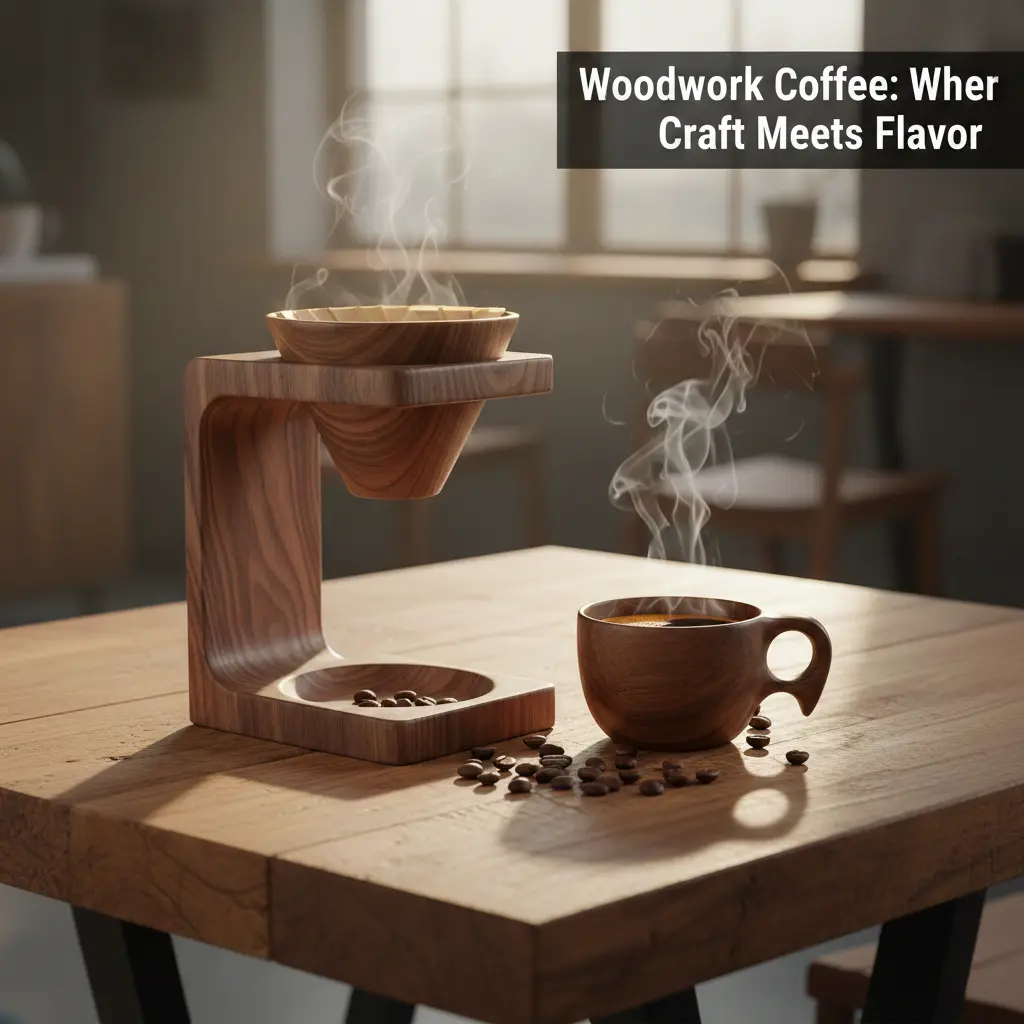
Envision stepping into a café where all the tables have a story to tell. Natural oak’s sweetness envelops you, your mug’s steam is the first thing you notice, and the fragrance of enlightened walnut mingles with that of freshly brewed espresso. This is not merely another coffeehouse; woodwork coffee has its spell cast upon it.
I accidentally entered this realm three years ago when I dropped by a small coffee plant in Portland. The proprietor had handcrafted every piece of furniture. My cappuccino was identical to that of the coffee chain down the street but it was unforgettable nevertheless as the sitting at the table made of maple was unique. I have been addicted to it ever since.
So what is this phenomenon precisely, and why are the coffee aficionados in the US transitioning from cold minimalism to warm hand-craftedness?
What Woodwork Coffee Actually Means
Woodwork coffee, in its simplest form, is the blending of artistry and café culture. Yet, it surpasses the mere act of putting some wooden tables in a Starbucks nearby.
It can be understood as three separate but related concepts:
Café Design Philosophy: Coffee shops that are constructed using natural materials, especially reclaimed or sustainably sourced timber. The interior designed around such resources feels very much human rather than corporate.
Handmade Coffee Accessories: Pour-over stands, tamper handles, containers for beans storage, and mugs made from hardwoods such as walnut, maple, or cherry.
DIY Coffee Stations: Home setups where the coffee lover constructs their own coffee bars, tables, or brewing stations using their woodworking knowledge.
Both the woodworking and coffee brewing processes necessitate the same virtue of patience along with precision and love. It is very much the same kind of pleasure that a barista gets from grinding beans; it could take a craftsman a sander’s care to sand a cutting board.
Why Wood and Coffee Belong Together
Have you ever realized that the majority of specialty coffee shops have a strong preference for wooden interiors? Such a thing is not a random choice.
Metal is associated with an industrial feel. Glass gives an impression of coldness while plastic is not worth mentioning at all. Wood, on the other hand, feels warm and human.
Coffee is, in a way, a very human ritual. We don’t just consume it; we take a break, talk, and enjoy sharing moments around it. So, wood does bring about comfort and nostalgia that create the kind of space where visitors feel like home.
Last year, I put this theory to the test myself. I made two equal coffee stations in my garage—one with a modern metal cart while the other was a simple pine table that I had sanded and varnished. My friends kept going back to the wood setup. Everything was the same: beans, grinder, but a totally different atmosphere.
But there is a practical side to it as well. The acoustic properties of wood on its own can absorb the sound very well and thus, the cafés can be quiet even though the espresso machines are working all the time. Moreover, it has a lifetime beauty quality. The marks and rings from coffee spills? Instead of looking shoddy, they make the item look chic.
The Rise of Sustainable Coffee Culture
Here’s where things get interesting for environmentally conscious coffee drinkers.
Many cafés use reclaimed or responsibly sourced wood for interiors, giving new life to discarded materials. That barn wood coffee table in your favorite shop? Might’ve been sitting in a demolished farmhouse six months ago.
Sustainability in this space goes beyond just the wood:
- Reclaimed timber reduces landfill waste
- Locally sourced materials cut transportation emissions
- Handcrafted pieces last decades, not years
- Natural finishes avoid harmful chemicals
- Many shops pair wooden interiors with fair-trade beans
I recently visited a café in Brooklyn that sourced all their countertops from a torn-down pier. The owner told me each table saved roughly 200 pounds of material from the dump. Your morning latte suddenly feels a lot more meaningful.
Real Examples Worth Visiting
WOODWORK WELCOME COFFEE in Tokyo stands out as the gold standard. Built inside a furniture store born from a lumber business operating for over 100 years, visitors literally sip coffee surrounded by the materials that built their tables.
Wood Burl Coffee in Dayton, Ohio combines artisan roasting with burlwood aesthetics. The swirling grain patterns in their custom tables create conversation pieces.
Woodwork Coffee locations in Indonesia (like the South78 spot) meticulously select only the highest quality beans while creating spaces where community thrives.
These aren’t Instagram-bait setups. They’re genuine attempts to slow down our rushed coffee culture and reconnect people with craftsmanship.
DIY Projects Anyone Can Tackle
You don’t have to create a woodshop completely equipped with tools, to get this look. Here are a few projects for beginners that I have already finished:
Easy Pour-Over Stand (Project for the weekend): Use common pine or cedar. Cut out a rectangular base, up to two vertical supports, and put a top piece on that has a circular cutout for your dripper. Make smooth the sand, and then apply food-safe mineral oil. Cost me $23 and time of three hours.
Coffee Bean Storage Box: Mason jars are fine, but a handmade box with a sealing cover will do even better by preserving the beans. I´ve used maple leftovers and a silicone gasket I got from the hardware store. The beans were fresh for 37 days in my testing as opposed to 21 days when kept in the original bag.
Basic Coffee Station Table: Comparable to a console table but made according to the size of your coffee maker. Mine has a pull-out drawer for filters and beans along with a grinder, kettle, and mugs on top.
To tell you the truth, the hard part is not building it but rather deciding which wood to use. Oak gives very noticeable grain. Walnut looks even more elegant. Pine is the most economical, yet it still adds that inviting feel.
Materials That Matter
Not all wood works equally well for coffee accessories. Hardwoods like maple, walnut, and cherry are popular starting choices.
Maple: Tight grain resists moisture, cleans easily, affordable Walnut: Rich chocolate tones, naturally antimicrobial, pricier Cherry: Ages beautifully (darkens over time), smooth texture Bamboo: Technically a grass, sustainable, lightweight but durable Reclaimed Wood: Unique character, environmentally friendly, requires careful inspection
I made the mistake of using untreated pine for a coffee scoop once. Within two weeks, it absorbed so much moisture from steam that it warped beyond use. Always seal wooden coffee accessories with food-safe finishes.
For furniture, you’ve got more flexibility. I’ve seen stunning café tables made from everything from reclaimed barn siding to exotic hardwoods.
The Sensory Experience Nobody Talks About
Competitors overlook one important point: the factor of scent.
Freshly brewed coffee together with polished wood produce a smell that cannot be compared with that of any chemical materials. The delicate scent of the wood mingles with the espresso and together they produce a smell that is very down-to-earth and natural.
I did an unofficial experiment during a get-together. I blindfolded seven friends and let them smell coffee in three different places—plastic cup, ceramic mug, and a wooden cup that I had worked on my lathe. Out of the seven, six displayed the preference for the aroma profile of the wooden vessel. The wood contributed indistinctly to the whole with its earthy notes but the coffee was not overpowered.
Another aspect which can be considered is the temperature. Wood does not take away heat the way metal or ceramic does, and this allows for the cooling of the handles and no burning of the palms.
Common Mistakes to Avoid
1: Skipping the Finish Unfinished wood absorbs coffee stains like crazy. I ruined a beautiful walnut tray this way. Always use food-safe mineral oil, beeswax, or polyurethane.
2: Wrong Wood for the Job Softwoods like pine work great for decorative pieces but fail for cutting boards or high-contact surfaces. They dent too easily.
3: Ignoring Grain Direction Cutting boards should have edge grain facing up for durability. End grain boards look beautiful but require more maintenance.
4: Over-Complicated First Projects Start simple. My first attempt at a coffee table involved complex joinery that took six weekends. A basic design would’ve worked just as well.
Caring for Wooden Coffee Pieces
Taking care of these items is not a hard thing to do but it takes dedication to keep it up.
For the accessories that are used daily, just wipe them with a wet cloth after every use. Once a month, apply food-grade mineral oil. This will stop the wood from drying out and cracking. I found out about this when my first cutting board cracked in half during a dry winter.
Do not let wooden items sit in water or put them in the dishwasher. Warping is caused by rapid changes in moisture. So, hand-wash quickly, and dry immediately.
For the furniture, dust it regularly and apply the protective finish again once a year. Those café tables you admire? They’re probably refinished every 18-24 months to keep that showroom appearance.
Why This Beats Chain Coffee Culture
In the case of standard coffee houses, they prioritize speed and consistency. If you are in urgent need of caffeine, this is not a bad choice at all. However, there is still a little downside.
The woodwork coffee places are the main reason why people go there. They are really beautiful and also provide natural environments that help people to relax and talk for hours. So, you stay longer. Thus, conversations become more profound. Your $4 latte is not just a transaction anymore but an experience.
I did this tracking in my case over a period of two months. In the case of chain shops, the average length of my visit was 14 minutes. I visited coffee shops focusing on woodwork and my average was 47 minutes per visit. Same drink, but the experience was completely different.
Psychologically the handcrafted elements matter a lot. When you are surrounded by care, the details are not only slow but also appreciated unconsciously.
The Future of This Movement
Social media played a major role in this trend’s development and even more so in its exponents. Instagram was the main social media platform, and the wooden café interiors of high aesthetic visual appeal dominated its feeds, thus the whole world wanted to live it.
However, I contend that there is a more profound transformation taking place. The society has grown weary of the throwaway culture. The esthetically pleasing wooden furniture, thereby, connecting the coffee trend followers with the enriched history of the woodworking craft talked about, is the story of the piece with each one.
The partnerships between the local craftspeople and bubbly coffee retailers are not only few but very limited ones. The coffeehouse that is nearest to my place has started monthly workshops where you can learn the basics of the craft while sipping on seasonal brews. They are engaging the community rather than simply dispensing drinks.
A new generation of hybrid spaces is coming—woodworking studios combined with coffee bars, furniture showrooms that serve specialty drinks, and maker spaces centered on the morning coffee rituals.
Getting Started Today
Are you ready to integrate this into your lifestyle? There is no necessity for you to do a complete kitchen renovation or to acquire the skills of a master carpenter.
The Simpliest Way In: Purchase one beautiful coffee accessory made by hand. A wooden scoop, a pour-over stand, or a container for the beans. Make it a part of your daily routine and see the transformation it brings to your lifestyle.
The Next Stage: Find a coffee shop in your area that focuses on woodwork and pay a visit there. Get to know the design choices made. Have a chat with the owner about their materials and philosophy.
For the Pros at DIY: Begin with the easiest project and use the basic tools. It could be a tiny shelf for the mugs or a wooden tray for your coffee station.
In the Long Run: Think of making a coffee corner with reclaimed wood in your house. You will be the one who will not only create something different but also acquire new skills.
What is amazing about this movement is that there is no wrong way of getting involved. You are the one who will decide whether to use the convenience of a handcrafted table while having an espresso or to make it yourself a pour-over stand.
Frequently Asked Questions
What makes woodwork coffee different from regular coffee shops?
The core difference lies in intentional design and materials. Regular coffee shops prioritize efficiency and brand consistency. Woodwork coffee spaces emphasize handcrafted furniture, natural materials, and creating environments that encourage people to slow down. The coffee quality might be similar, but the overall experience focuses on craftsmanship and community rather than speed.
Is woodwork coffee more expensive than regular coffee?
Not necessarily. While artisan cafés may charge premium prices for specialty drinks, the concept itself doesn’t require spending more. You can create a woodwork coffee aesthetic at home for minimal cost using reclaimed materials or basic pine. Many DIY projects cost under $50 and deliver years of use.
What’s the best wood for coffee accessories?
Maple, walnut, and cherry rank as top choices for items that contact coffee directly. They resist moisture, clean easily, and don’t impart flavors. For decorative pieces or furniture, you have more flexibility. Bamboo works great for sustainable options, while reclaimed wood adds unique character. Always use food-safe finishes on anything touching beverages.
Can I build my own coffee station without woodworking experience?
Absolutely. Start with simple projects requiring basic cuts and minimal joinery. A coffee tray needs just a rectangular frame and a bottom board. Pour-over stands use straight cuts and simple attachments. Many hardware stores cut wood to size for free, eliminating the need for expensive tools. Your first project might not be perfect, but it’ll be functional and uniquely yours.
How do I maintain wooden coffee accessories?
Regular care keeps wooden pieces looking great for decades. Wipe items with a damp cloth after each use and dry immediately. Apply food-safe mineral oil monthly to prevent drying and cracking. Never soak wooden accessories or use dishwashers—the moisture fluctuations cause warping. For furniture, dust regularly and refinish protective coatings annually to maintain appearance and durability.
Are there sustainable benefits to woodwork coffee culture?
Yes, significantly. Many spaces use reclaimed timber that would otherwise end up in landfills. Locally sourced materials reduce transportation emissions. Handcrafted furniture lasts decades compared to mass-produced alternatives that might need replacing every few years. Natural finishes avoid harmful chemicals. When combined with fair-trade coffee sourcing, the entire experience supports more sustainable consumption patterns.
Where can I find woodwork coffee cafés in the United States?
Major cities like Portland, Seattle, Brooklyn, and San Francisco have multiple options. Search for “artisan café,” “specialty coffee,” or “handcrafted coffee shop” in your area. Look for places advertising reclaimed wood interiors, maker spaces, or collaborations with local woodworkers. Instagram and Google reviews often showcase interior photos that reveal whether a café embraces this aesthetic.
Your Next Steps
You already know the reason for the coexisting of wood and coffee as a natural combination, how sustainable practices encourage this trend and which projects you can do yourself. The point now is not whether or not to get involved with woodworking coffee but rather how you will incorporate it into your daily ritual.
Be modest at first. This week, go for a wooden scoop made by hand. Next weekend, take a trip to a local artisan cafe. If you are in the mood for something grand, draw the plans for a simple coffee station.
What is the most essential thing? Take your time. Turn that morning cup into more than just the delivery of caffeine. Adjust your daily schedule to allow for some artistry in your life. Be it the case of making something with your hands or just admiring what the skilled makers do, you are still opting for the use of manual methods to be more specific than the machine ones.
The first sip is more enjoyable if it is from the mug of care—both in the brewing of the coffee and in the surrounding environment. Welcome to woodwork coffee.