
 Admin
Admin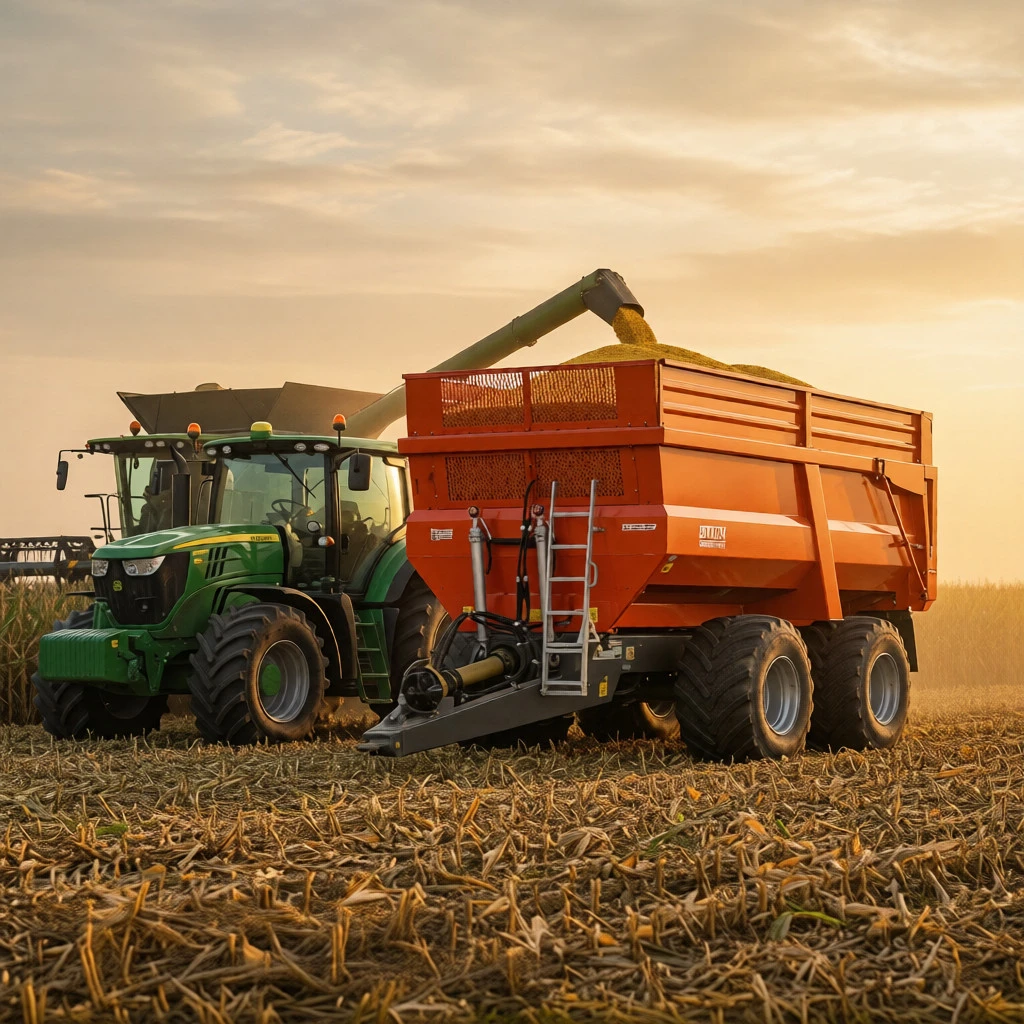
Envisioning a 500-acre farm during the harvest season—mature crops, pleasing weather, and an overused crew who are still taking the same long trips from the field to the store. But afruimwagens are the solution. These exceptional collection wagons have been the main reason why American farmers have been able to reduce their labor costs by as much as 40% and still keep the quality of their crops.
And no matter if you are running a mid-sized vegetable farm or a large-scale grain farm, knowing these Dutch-engineered workhorses inside out and the way they can dramatically improve your speed is of utmost importance. With labor shortages profoundly affecting the agricultural sector and profit margins becoming more and more constrained every season, the selection of smart equipment has turned into a necessity rather than a luxury.
What Are Afruimwagens and Why They Matter
Afruimwagens—said as “ah-froym-vah-gens”—are not ordinary agricultural wagons but they are specially designed for one major function: to carry the crops that have been harvested from the field to the storehouse while doing it in the most effective way possible and causing the least damage. The word “afruimwagens” is derived from Dutch, meaning “clearing wagons” literally but their impact on farming nowadays is much more than just transporting crops.
These are not the farm trailers of your grandfather’s time. The modern collection wagons come equipped with the reinstated frames, hydraulic dumping systems, and the capacities of 5 to 25 tons of loads. In fact, you will find them attached to tractors during potato harvesting in Idaho, sugar beet operations in Michigan, and corn collection in the Midwest.
The whole credit goes to the design. The standard trailers and the afruimwagens differ in the sense that the latter are meant for delicate crop handling. The smooth interior surfaces are the ones that prevent bruising. The adjustable dump angles make it possible to receive the whole unloading. The heavy-duty suspension systems are the ones that absorb the field bumps that would otherwise be damaging the produce.
For American farmers, who have to deal with labor cost increases and at the same time have to meet quality demands of the processors, these wagons are the ones that give the most obvious ROI. There was a vegetable farmer in Wisconsin that I talked to last season who said that he has calculated the time frame for his afruimwagen to break even at 18 months solely through less crop damage and fewer transport runs.
How Collection Wagons Work in Real Farm Operations
If you take a stroll through any harvest operation where afruimwagens are being used, you will see the choreography right away. The process is like this: the harvester fills the wagon directly via its discharge conveyor while both machines are moving through the field. When full, which is usually 8 to 15 tons depending on the crop type, the loaded wagon is detached and goes to the storage facility while an empty one takes its place.
This uninterrupted sequence of actions wipes out the bottleneck that drains productivity in the traditional farms. Your high-cost harvester is always in operation. Your proficient operator does not experience any delay. In the meantime, less-skilled and lower-paid workers or even seasonal labor can do the simple task of moving wagons loaded with crops.
The engineering engineers through their skillful design the whole process. The very strong hydraulic cylinders can tilt the wagon bed at a maximum angle of 60 degrees, and the force of gravity feeds the crop into the storage bins or processing equipment. No labor-intensive shoveling. No damaging augers that harm the crop. Only smooth, controlled unloading that takes 90 seconds instead of 20 minutes.
High-tech models come equipped with GPS tracking, load weight sensors, and even moisture monitors that provide data straight to the farm management software. You are not transferring crops only; with every load, you are gathering precious field data.
The Five Main Types Serving Different Farm Needs
Indeed, not all afruimwagens are of the same quality. The wrong type will cost you money in two ways—damage to the crops and the inefficiency of the operation.
Standard dump wagons are the ones that usually work best for bulk crops such as corn, soybeans, and wheat. These machines are built with steel or aluminum and have smooth interiors and rear-dump hydraulics at the back. They have a capacity that ranges between 10 and 20 tons. They are the Swiss Army knife of collection wagons, meaning they are versatile but not specialized.
Side-dump models are the ones that shine when it comes to tight storage places because you cannot place the wagon for rear dumping. The whole bed is tilted sideways, which is just perfect for unloading into piles or conveyor systems. You will pay 15-20% more but will save an endless amount of time in maneuvering.
Low-profile vegetable wagons serve as protectors for the delicate crops like tomatoes, peppers, and berries. Lowered side walls mean less impact on the crop during the loading process. In addition, the interiors are cushioned which makes bruising less likely. Usually, their capacity is up to only 8 tons in order to keep the crop alive.
Heavy-duty root crop trailors are the ones that rule over potato and sugar beet harvest. The floors are reinforced to prevent heavy and dirty loads from damaging them. Wider tires are designed to distribute weight across the soft, muddy field conditions. These mules will give you capacities of 20-25 tons.
Multi-function spreader wagons are the ones that do double duty—collecting crops during the harvest, and spreading manure or compost during the off-season. They are more expensive to begin with, but they silently maximize equipment utilization across the entire farming calendar.
Real Benefits Beyond the Obvious Time Savings
Certainly, afruimwagens are time savers. But the concealed benefits frequently give back even bigger.
One Illinois grain farmer’s operation has been radically changed by the flexibility of labor. In the past, he would need three skilled tractor drivers during the whole harvest, but currently, he has one expert harvester operator along with high school boys to shuttle wagons. The difference in labor cost is about $180 per day.
Crop quality protection becomes visible in your bottom line. The premium price for flawless produce paid by the vegetable processors in Pennsylvania could be recovered by reducing the amount of bruising 30% through the adoption of specialized collection wagons instead of the traditional methods. The extra income from a 40-acre tomato operation created by the invention of $4,200 per acre is earned by the loss of $3,000 through the already existing practice of 10,000 annual acres of tomatoes harvested by hand.
Soil conservation is more important to farmers as regulations get stricter. The fewer times you have your fields accessed, the less the soil gets compacted. An evaluator of soil health would prefer one haul of 15 tons to 5 with 3-ton trailers. The farmer’s soil structure is rejuvenated. The farmers’ yields for the coming season are reflected.
Field productivity gets multiplied when there is no drought in the operation of your harvest equipment. Your combine’s operating cost for an hour which includes depreciation is around $180 to $250. Every minute that the equipment worth a million dollars is idle waiting for transport loses money. Afruimwagens ensure it works uninterruptedly.
Running small trailers incurs greater maintenance costs than running one large wagon. The farm is taking care of one part of equipment rather than three or four. The number of spare parts kept on hand is less. The period of non-operation is shorter. These operational efficiencies are accumulated faster than most farmers are aware of.
Smart Features Worth Paying Extra For
Collection wagons’ price tag ranges from $15,000 to $75,000 across the board. It is your support feature that will keep you in the right place, and knowing the difference between marketing hype versus actual value will be beneficial to your investment.
Hydraulic dump systems are a must if one is to have no problems with their equipment. Manual cranking takes a lot of time and is a source of back injuries. Good quality hydraulic systems will compensate for their cost in one season by cutting down labor and insurance claims.
Load capacity sensors are a helpful way to avoid overloading which causes equipment damage and loss of weight limit violation. Besides weight data that is very useful to track field’s productivity and to help locate the problem areas in your operation, it is also weight data.
The adjustable dump height and angle enable you to unload into various receiving systems—being it grain bins, semi-trailers or processing equipment—without changes being made.
The all-terrain tire packages make it sensible if one farms heavy soils or harvests in wet conditions. Usually, the extra charge runs $2,000-3,000 but it will save you from being stuck during the harvest which is usually a very critical time.
Galvanized or stainless steel construction adds 20-30% to the cost but at least there won’t be rust issues that come with standard painted steel. For those growing expensive crops or making plans for 15+ years of equipment lifecycles, this upgrade is worth it in terms of cost savings.
Quick-hitch systems will facilitate the connecting and disconnecting of wagons. The five minutes that are saved per cycle will accumulate to hours during long harvest days.
No need to go for expensive paint jobs and custom decals. Invest in features that actually improve productivity and crop quality.
Avoiding the Costly Mistakes Most Farmers Make
Acquiring undersized devices turns out to be the costliest mistake to make. The $22,000 wagon looks reasonable until it dawns on you that it requires two times more trips, which means doubling not only the fuel costs but also the tractor hours. It is better to calculate your real needs on the basis of the peak harvest volume rather than on average conditions.
Not following maintenance schedules is a surefire way to wipe out the whole equipment value. Greasing of pivot points takes only 10 minutes after every 50 hours of use. If you do not do this, it will end up costing you $3,000 in the bearing replacements. Hydraulic fluid levels should be checked before the start of each season. Tire inspection for damage should be done after each harvest.
Using too much load on the machine leads to frame cracking, tire bursting, and accidents waiting to happen. The capacity ratings are there for real engineering reasons. If you keep on exceeding them by “only 10%”, then eventually the structural integrity is compromised and warranties become invalid.
Inadequate operator training means less crop and more equipment damage. Proper loading techniques, safe transport speeds, and correct dumping procedures should be taught to everybody who will operate your wagons. An inexperienced operator dumping too fast can ruin $5,000 worth of produce in a matter of seconds.
Disregarding weight distribution leads to poor handling and uneven tire wear. Heavier materials should be loaded towards the front. Bulk items should be distributed evenly side-to-side. Your tractor’s stability and the wagon’s tracking both rely on proper balance.
Making Afruimwagens Work in Your Operation
To begin, at a time when your harvester is operating at the very most efficient capacity, calculate your harvest volume per hour. A harvester that processes 40 tons of crops in one hour requires a minimum of three wagons rotation to maintain the continuous flow, when each wagon hauls 12 tons. However, if you use four wagons, then these will be a safety margin for breakdowns or delays.
Next, match the capacity of the wagons with the size of your tractor. The 25-ton monster will require not only the heavy weight pulling power but also the braking capacity of that weight. Always check the specifications of your tractor’s hitch and brake system before taking big wagons.
Also, think of your storage arrangement. In the case where the unloading is being done into high bins the hydraulic lift of the wagon must be able to go as high as the required level. In the case where the unloading to semi-trailers is being done, the height of the discharge must match exactly.
Make provision for access to maintenance. Allow from $500-to-$1,200 every year for routine maintenance costs per wagon—greasing, changing hydraulic fluid, and sometimes changing tires. Also, make sure that you have on hand the spare parts that are critical: hydraulic hoses, coupler pins, and tire repair tools.
The effectiveness of integration with the current equipment mainly depends on it. The height of discharge of your harvester should be the same as the receiving area of the wagon. Your tractors should be having hitches and hydraulic connections that are compatible. It is better to test everything before the busy harvest time.
The Technology Reshaping Modern Collection Wagons
The service of GPS fleet tracking is now part of the premium models. Real-time tracking of wagon locations. detection of bottlenecks. Routing between fields and storage optimizations. The technology has transformed one Ohio farm’s harvest disorder into an orderly and productive operation.
Automated weight systems tote up the load and then produce specific yield maps for the fields. A data layer is being created that will help in deciding not only about fertilizers, seeds, and land value but also by just moving your harvest.
Moisture monitoring guarantees the quality of the stored crops. Sensors warn the farmers when the moisture content of the loaded grain rises above the safe storage level, thus, preventing the occurrence of expensive spoilage due to unloading even before it takes place.
Newer wagons are gradually switching from traditional PTO-driven hydraulic systems to electric-hydraulic ones. They are noise-free, more energy-efficient, and permit unloading without having the tractor running at a certain RPM. The technology is priced at an additional $2,500-4,000 but it gives the precision control.
Connecting your wagons with farm management software is done through telematics integration. Automatically track maintenance schedules. Monitor the rates at which the equipment is used. Determine which wagons accumulate the most hours for optimizing your fleet replacement strategy.
Some anticipating manufacturers are already providing semi-autonomous guidance systems. The wagon stays behind the harvester and gets the perfect position for continuous loading automatically. This technology is still costly and a little bit experimental, but it is a clear representation of the future for the industry.
Regional Considerations for American Farmers
Midwest grain farmers give top priority to high-capacity steel wagons that have the ability to carry the volume required by corn and soybean operations. When the daily move is more than 500 tons during a restricted harvest period, then it is durability that counts and not finesse.
In the case of West Coast vegetable growers, the crops that bring the highest value need to be handled with the utmost care. Lower-capacity wagons that come with cushioned interiors, careful dump controls, etc. protect the premium produce that is going for $40+ per bushel as opposed to $4 per bushel for commodity grains.
Southern cotton and peanut farmers encounter problems that are caused by the soil type as well as the nature of the crop. All-terrain tire packages turn out to be necessary rather than merely a nice-to-have. The use of moisture-resistant building materials is a way to keep equipment from breaking down in hot and humid climates.
Northeast dairy and mixed-farming operations have multi-function wagons that are pricey but are of great help because of their year-round utilization. Summer silage collection, spring manure spreading, and winter feed hauling are just some of the things that can be done with one wagon. The flexibility is ideal for small-scale operations with limited resources.
Your Next Steps Toward Harvest Efficiency
Current harvest costs per ton need to be calculated, and these will include labor, fuel, and depreciation of equipment. Then, compare these numbers against anticipated costs with afruimwagens. The majority of farmers find potential savings of up to 40% along with better quality.
Take a trip to farms that use collection wagons for their harvest. Experience performance in the real world. Talk to operators about the problems and the benefits. Reach out to your nearby equipment dealer for demo units—reliable dealers will come with wagons to your farm for testing.
If you are unsure, start with one or two wagons. Before going for a complete fleet, prove the concept on a section of your operation. Many successful adoption stories begin with small first steps.
Take a close look at used equipment. Wagons that are five years old from trustworthy manufacturers can often give you 70% of new performance at 40% of the price. Just let your mechanic check the structural integrity and the hydraulic systems before buying.
The most efficient farms, and not necessarily the largest ones, are the ones that get by today. Afruimwagens provide precision agriculture with one more weapon to help distinguish between profitable and barely surviving operations. The harvest window is short, and the margins are tight. The decision about equipment and efficiency keeps compounding across seasons into either continued success or gradual decline.
Clever farmers do not wait for perfect conditions or total certainty. They carry out trials with innovations, quantify the results, and make quick adjustments. The exact same thing should be your way of dealing with collection wagons, just keep your eyes widely open to both the possibilities and the practical constraints that are specific to your operation and afruimwagens.